



“For decades, the Lord’s prophets have urged us to store food, water, and financial reserves for a time of need…. I urge you to take steps to be temporally prepared.” —Russell M. Nelson
At times caring for our temporal needs may feel overwhelming. But remember that “by small and simple things are great things brought to pass”. When we act in faith and do our part to care for our family’s temporal needs, God magnifies our small and simple efforts.
The following activities can help us become more prepared.
God’s Promise
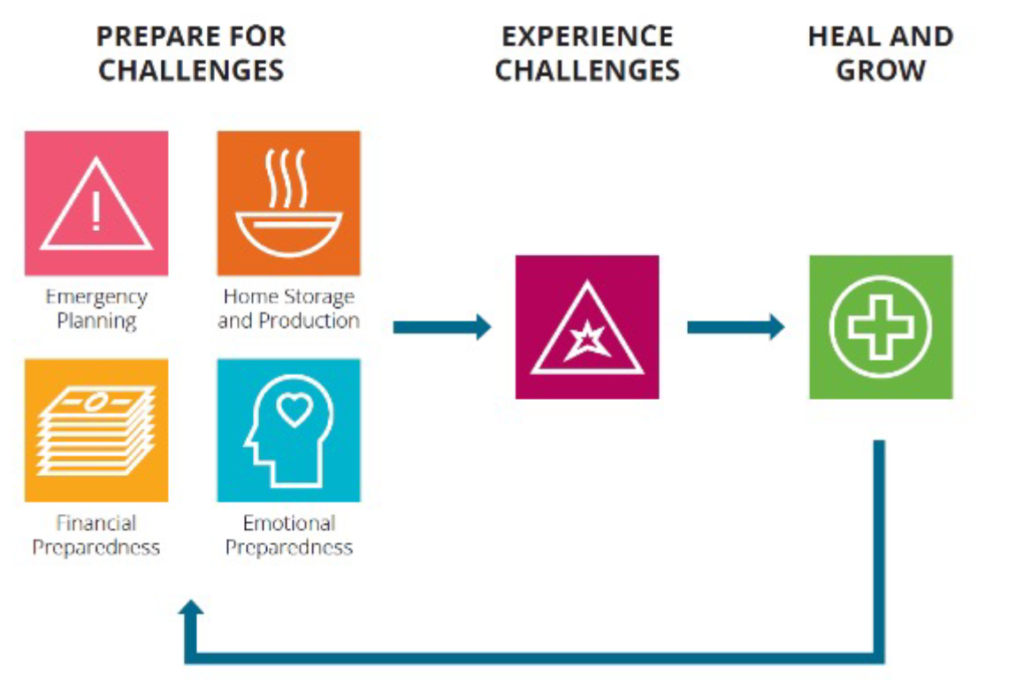
God has promised, “If ye are prepared, ye shall not fear”. When we have plans in place, we are more prepared for challenges.
- Emergency planning
- Home Storage and production
- Financial preparedness
- Emotional preparedness
Like spiritual learning, preparedness is best done “line upon line”. And, when challenges occur, we can learn from them, heal and grow, and continue to prepare.
What is Emergency Preparedness?
Emergency Preparedness is more than having enough water, wheat and other food storage items

Emergency preparedness is an education
Emergency preparedness is about educating yourself and your family about disasters likely to occur in your area. How this may disrupt your family’s daily activities / routines and what you as a family can do to prepare for them.
Council with your family about saving for unemployment and coping with family death of a loved one.
Be Proactive – Prior to a Disaster
Know where your utility shut-offs are located. Learn how to turn off the water, electricity, and natural gas lines inside and outside your home. Some of them may require special keys or tools. You may want to keep them near your 72 hour kits.
Find a location for storing and accessing important family documents, emergency funds, survival and emergency supplies, and of course your food storage.
Prior to a Disaster
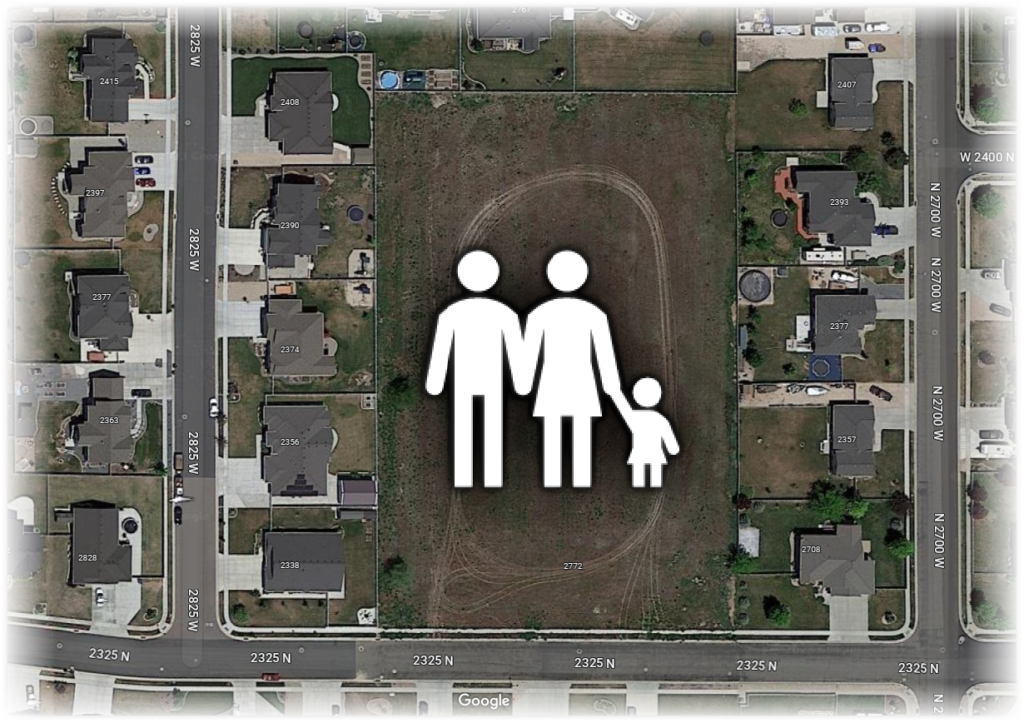
Set up a safe family gathering place that coincides with your ward, stake, or community reunification plans. Establish ways to communicate with each other in case you are separated during the disaster.
Check your Ward Emergency Response Plan (WERP) for that location.
Consider making an Emergency Information Card for any children in your home with basic identification, medical, and contact information. Our local Smith & Edwards also makes custom dog tags that can be worn or used on a key chain.

Pack an emergency bag for each member of the family with things like
basic hygiene items, clothing, a light source, snacks, activities, and a comfort items to help children feel safe (like a blanky or teddy bear). We used to call these 72 hour kits
Not all disasters require you to evacuate, often, we will only need to shelter in place. We may be required to hold up in our homes for several days, without water, electricity, or perhaps gas.
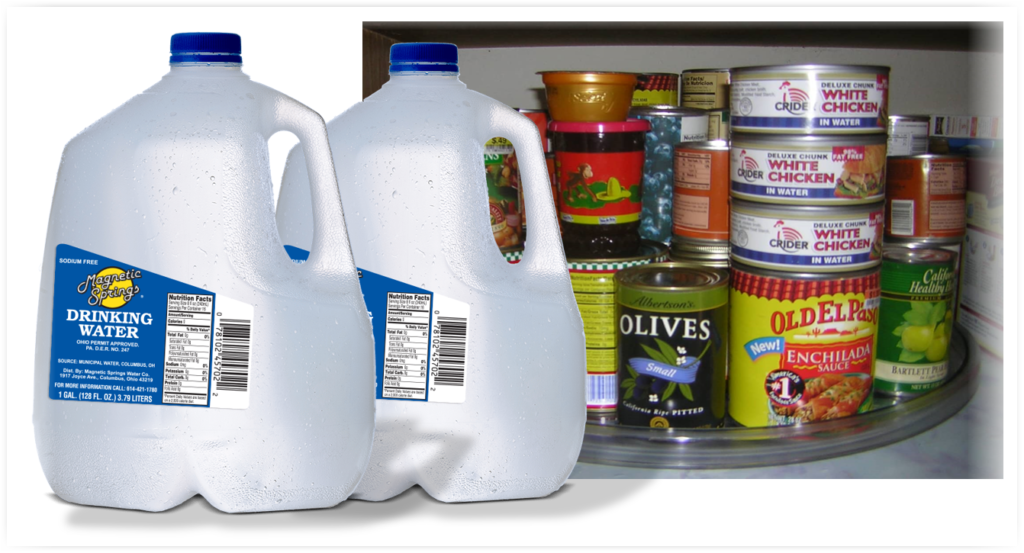
Having store of food, water, and non-food items like toilet paper, soap, and other sanitation supplies, are essential considerations. We should have a supply of non-refrigerated canned foods, as well as baby formula for those with infants/small children. One gallon of water per person per day for drinking, food preparation, and sanitation,
try to have a least a three-day supply of water. Medical supplies, clothing, blankets, flashlights, extra batteries, and my favorite a good ol Boy Scout Handbook.
Each month a family can buy just a little extra of these items. 1/10th more a month will give you an extra months worth at the end of 10 months. Be sure to rotate your stores of food.
Immediately after a disaster
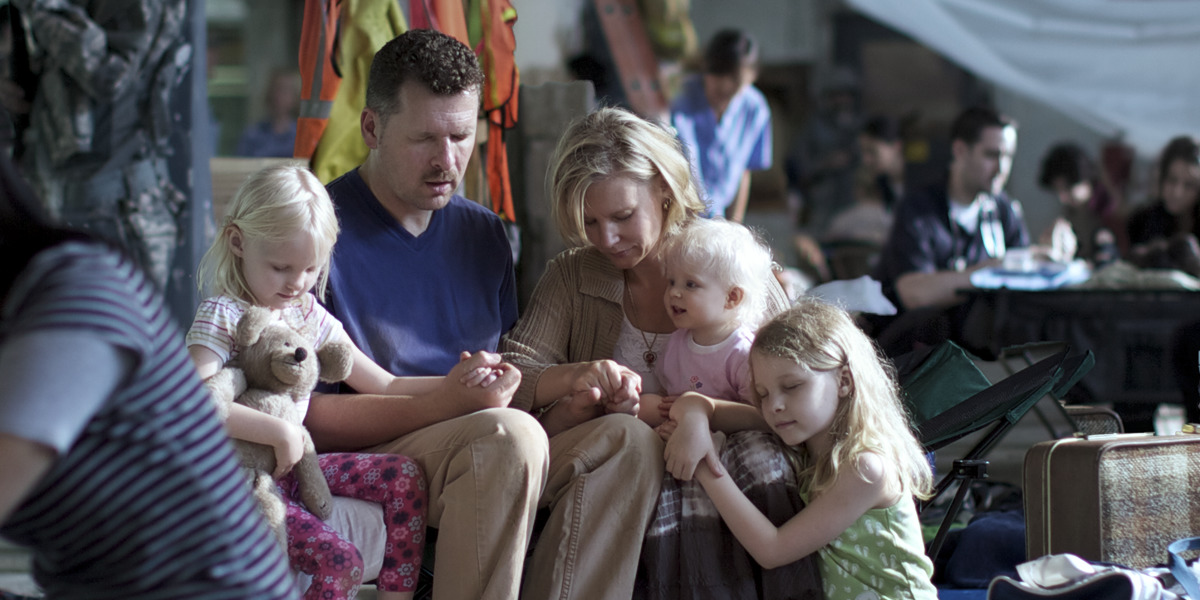
Help to locate and reunite family members who may be separated from the rest your family. Then attend to any of your immediate needs. Determine your status and report to your block captains and/or ministering brothers/sisters (or other Church leadership) about the condition of your family members. Work with them to obtain medical care for those who have been injured or who have other health challenges. Ensure you have access to a supply of basic provisions and services—such as food, temporary shelter, sanitation, and clothing. Report to those same individuals about others you may be helping or have observed.
Soon after a Disaster
You may not be affected by the local disaster, such as flood, tornado, or Earthquake. However, we should be prepared to provide assistance to others who are suffering, have damaged homes, or are experiencing emotional trauma and loss of livelihood.
Parable of the Ten Virgins
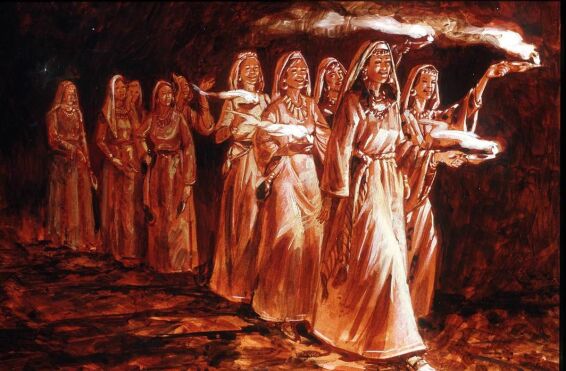
The Parable of the 10 virgins can be compared somewhat to emergency preparedness. The 10 virgins were members of the church, they were notified ahead of time to prepare for the coming of the Lord.
- 5 were wise and prepared.
- 5 were foolish and did not prepare.
The call for his arrival did not come during the day, it came at midnight while everyone slumbered. Those who prepared were awakened and ready. If you are not spiritually prepared upon the Lord’s return – you will not have time to get spiritually prepared. Similarly, if you have not prepared for disasters that may arise in your life – you will face a similar fate as the foolish virgins. However, if you strive to be prepared, the Lord will magnify your preparational efforts.
Working on your Plan
This is a Planning Guide, provided by the church, online. This guide, if followed can be very helpful.
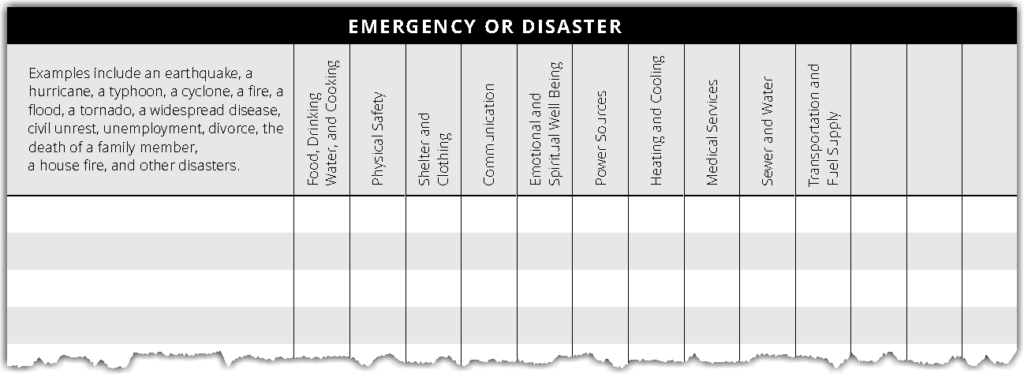
From the Plan worksheet list the disasters that are most likely to happen where you live. Make sure to think about natural disasters as well as human-made events.
For each type of disaster, identify specific things that would be disrupted. (For example, disasters like earthquakes, fires, floods, or hurricanes damage homes, so shelter would be one thing affected.)
Consider personal or family disasters as well. These types of disasters might include things like a job loss, a house fire, serious illness, the loss of a spouse, school lock-downs, closure of child care or schools, relocation, or separation from family.
The worksheet will help you see the areas of your life most likely to be disrupted by a disaster. Then you can start planning for how to support disruptions to those areas.
Planning for Disruptions
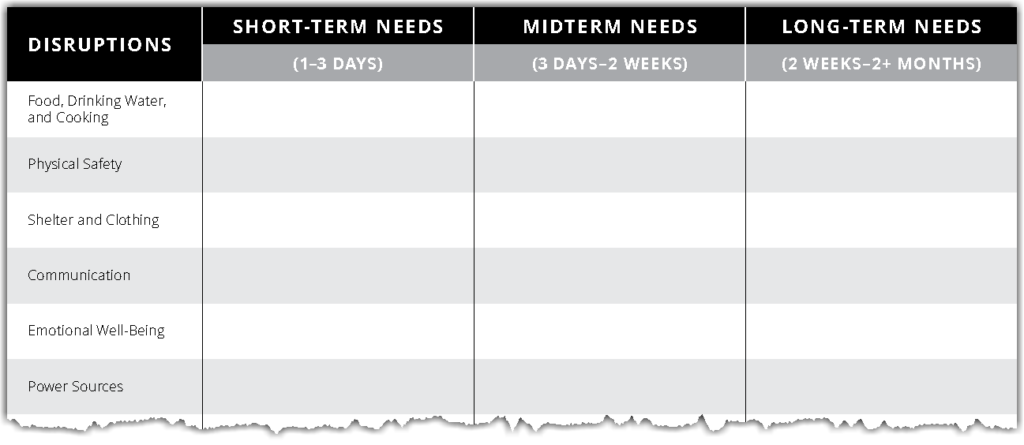
Use this worksheet to plan for immediate and long-term needs. Identify the resources you will need in each time frame. For example, imagine the disruption is to your shelter. A short-term need could be using a meetinghouse, a midterm need could be staying with friends or family members, and a long-term need could be repairing your home or buying a new one. Use the Take Action section to plan for any needs you might have.
Communication Plan
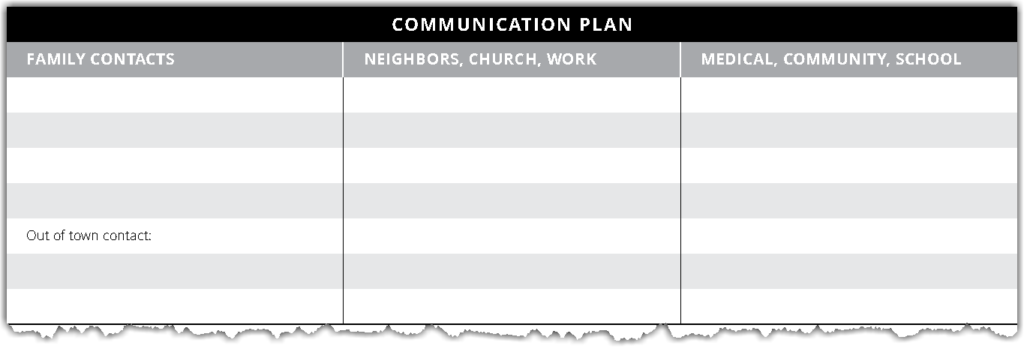
Create a communication plan for contacting people in an emergency. It’s good to have a list of family members, friends, neighbors, Church leaders, and community resources. Consider memorizing phone numbers in case your contact list is unavailable. Plan other ways to make contact if you can’t make a phone call. This might mean texting, instant messaging, or posting on social media.
After a disaster, it can be hard to make calls within the area. It’s often easier to make long distance calls. Designate a relative in another city to be an out-of-town contact. Plan for all family members to contact that person. They can tell their condition and location to the out-of-town contact, who can help relay information.
Earthquake Disaster
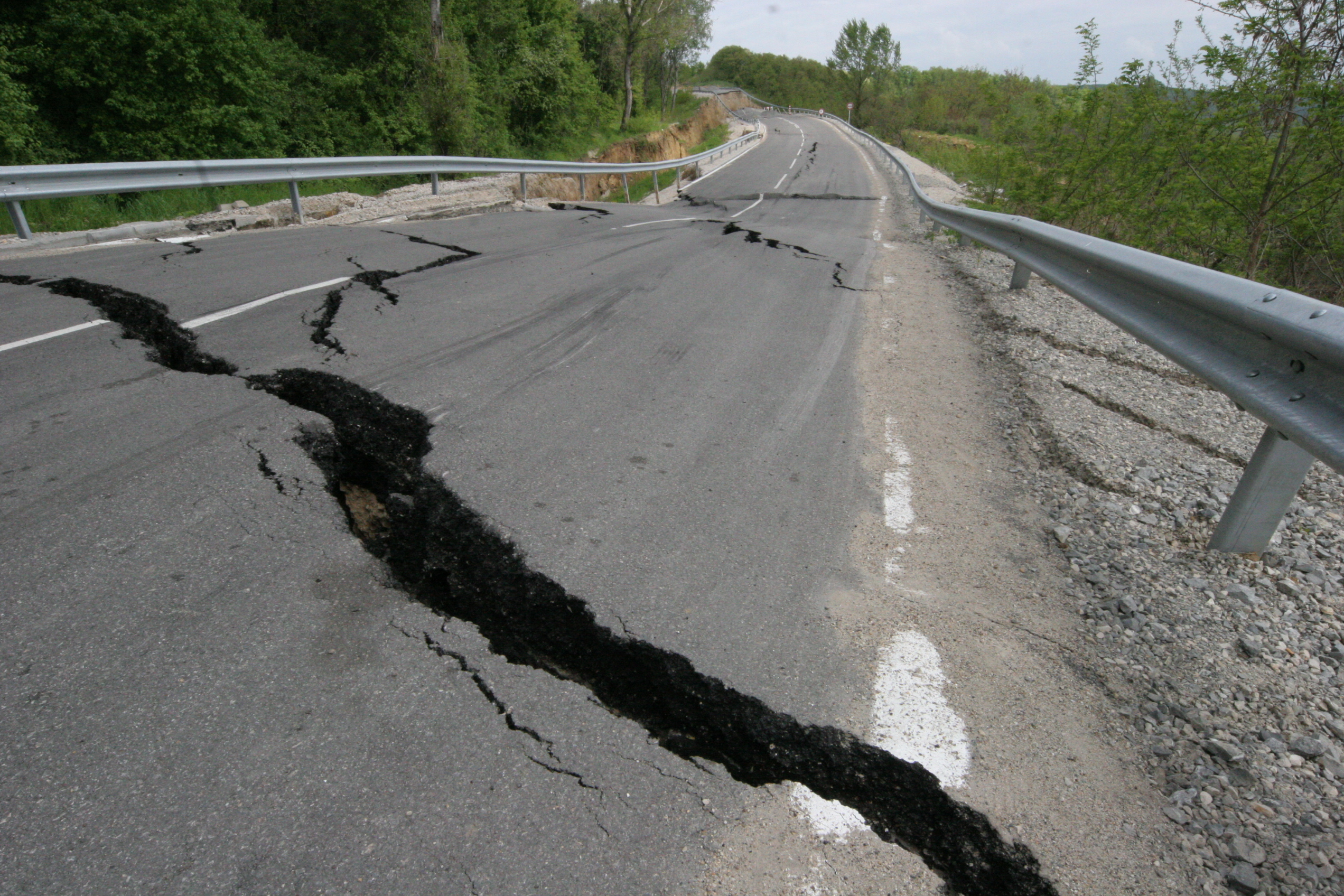
An earthquake is probably one of the most significant disasters that could affect our local community. An earthquake of 5.0 or greater could cause significant damage in our area. The soil in this area is susceptible to liquefication. Causing houses to sink or tilt, roads or embankments to separate as the earth spreads.
This would most likely cause loss of standard cell or phone communication due to
- Cell phone saturation.
- Damaged cell towers.
- Electricity loss in the local area.
Alternate communications methods
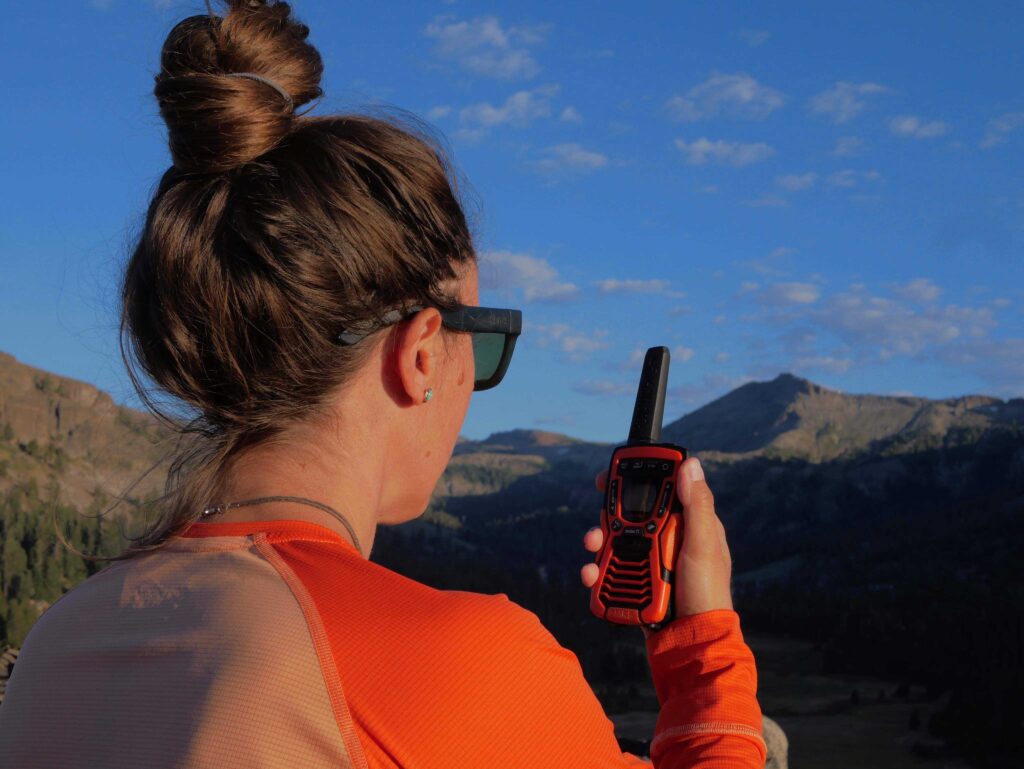
Loss of cellular communication would require face to face and/or radio communication
Our stake is encouraging each family to purchase their own FRS/GMRS radio as part of their 72 hour kits. Radios should be charged and ready for use in case of an emergency, so don’t put them in the kits uncharged
For those with an FRS/GMRS radio. The our community has weekly ward radio network meeting, on Sunday evenings to practice proper emergency radio communication and receive training.
FRS vs GMRS Radios
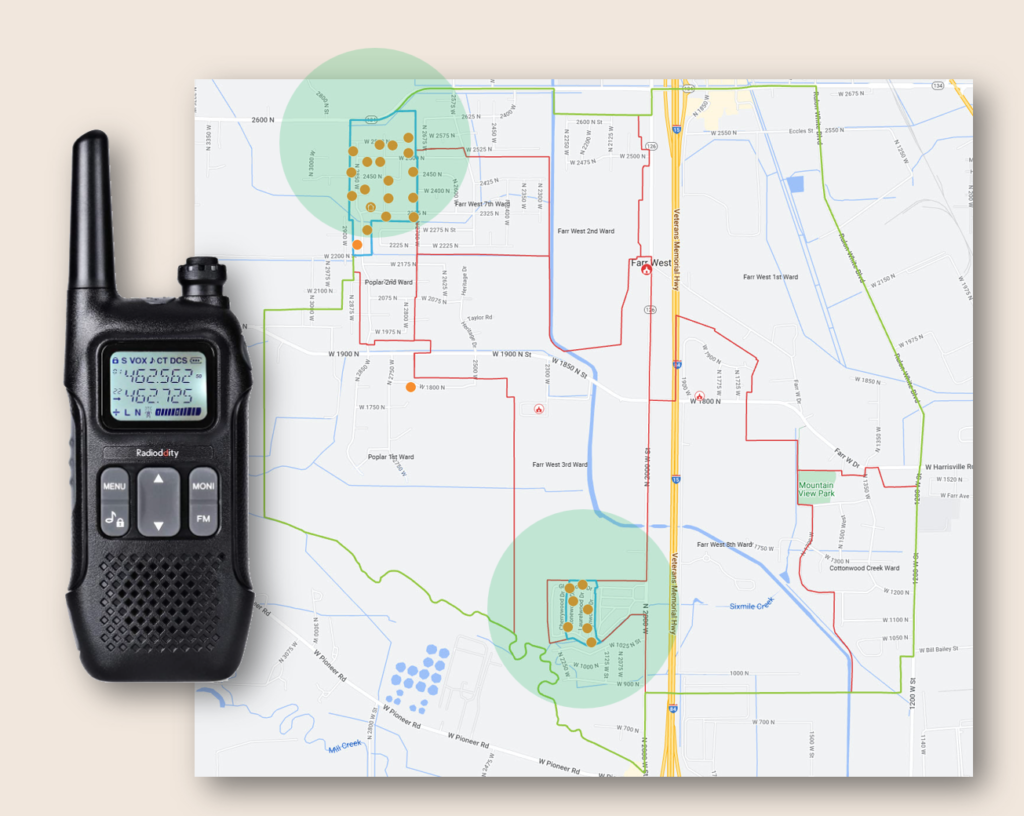
So, what is FRS/GMS radios?
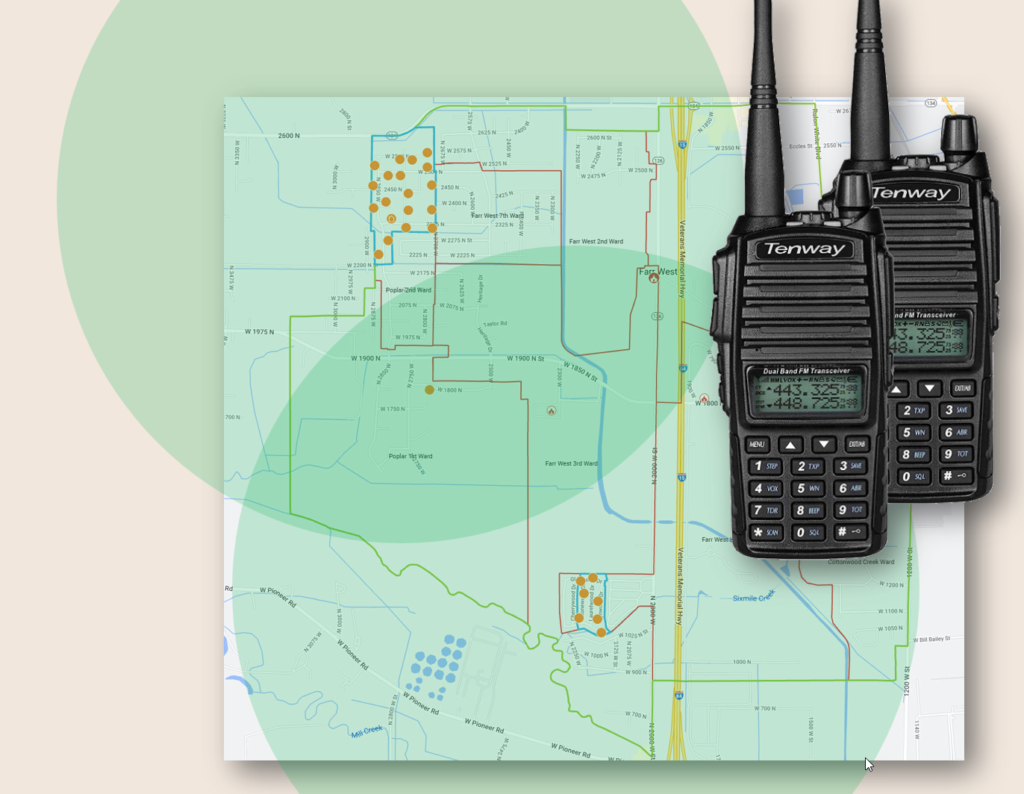
The Family Radio Service (FRS) was created in 1996 for close range communication. It has a practical distance of about 2 miles. Broadcasting strength of 2 watts. The green area is a simulated broadcasting range from within a home and costs around $25 for a pair of radios. Unlike typical walkie talkies that are tuned to a compatible frequencies with their mates the FRS radios have 22 district channel frequencies.
They are NOT programable, they have fixed a antenna, and they do not require a special license to operate. An FRS radio is sufficient to communicate with block captains in your local area in case of an emergency.
FRS Radios will not reach outside of the ward boundaries, nor are they able to communicate between our ward and members of the Westwood village due to the short FRS radio transmission range.
The General Mobile Radio Service (GMRS) radio has a practical distance of about 5 miles, depending on the broadcasting strength of 5 watts.
The green area is a simulated broadcasting range from within a home and it costs around $50 for a pair of Radios. Like FRS radios they are tuned to the same 22 FRS radio channel frequencies. Unlike FRS radios they are programable. They require a special license to operate at greater distances using local repeaters. An FCC GMRS License cost $35 for 10 years, no test is required, and covers most family members (spouse, children, siblings, and parents).
A GRMS radio is sufficient to communicate with block captains in your local area in case of an emergency. However, a 5 watt GMRS radio broadcasting limitation is still just outside reach of the Westwood Village members without the use of a GMRS repeater.
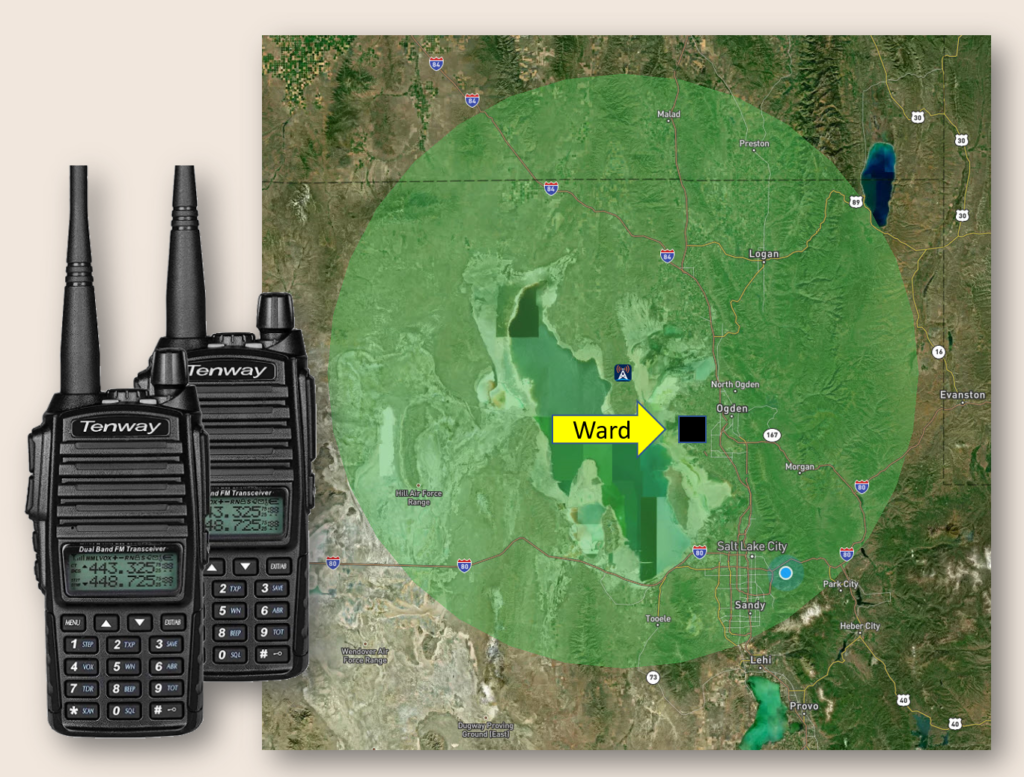
GMRS radios are programable, allowing licensed operators extend the radio range significantly using Repeaters. Using the Promontory Point GMRS repeater, for instance, can extend a GMRS signal from the
Idaho border to Sandy Utah.
This makes communicating within our Ward boundaries or with loved ones at a greater distance much easier. GMRS Repeaters are located all along the I-85 corridor and across the country.
So, what does this have to do with Emergency Preparedness?
It is communication from our little community to the emergency responders outside our ward.
Our stake has asked that we put together a Ward Emergency Response Plan (WERP). We have broken our ward out into 5 blocks, in case communication is disrupted.
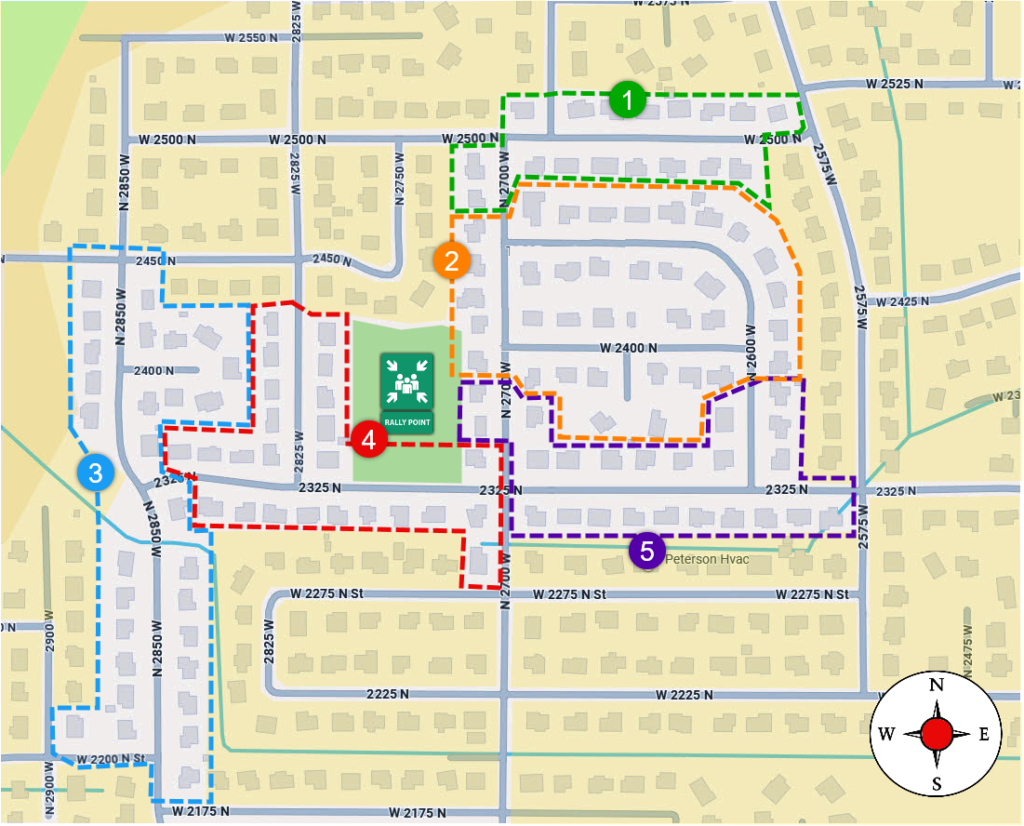
Each Block has a captain. When a disaster occurs that breaks down normal digital communication, the Captains (along with a companion) will do a walk through their assigned neighborhood block(s) to determine the status of all their block members. Block members with FRS/GMRS radios can assist their Captains by providing their status and putting a colored card visible from the street in front of their home.
The Stake has assigned an FRS/GMRS channel to each ward. Our FRS/GMRS channel is channel 16 or 462.575 Mhz. Each participating community member should have an WERP packet with colored cards.
During a disaster, neighborhood participants should place the colored card in a front window or outer door to to assist emergency responders determine the status and medical needs of their household. The following standard card colors will be used by our local emergency responders:
- GREEN – No assistance
- YELLOW – Non-urgent medical
- RED – Urgent medical
Shortly after the Disaster
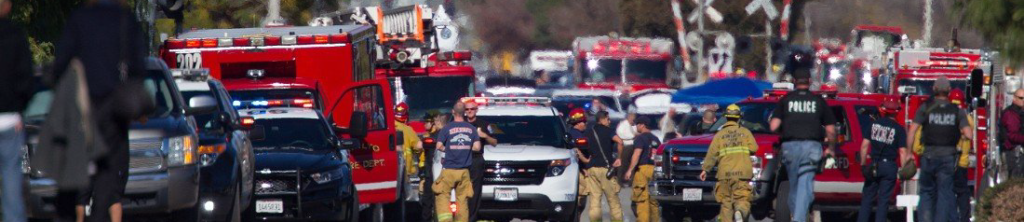
Ward Emergency Response Coordinators (ERC) Bro Stone and Bro Harris will communicate with the Block Captains. They will pass Emergency Response information on to the Ward leadership, and Stake ERC via Ham Radio. The Stake ERC will communicate on our behalf, using Ham Radios, with local Emergency Responders to assist our ward.
Conclusion
Being temporally prepared and self-reliant means “believing that through the grace, or enabling power, of Jesus Christ and our own effort, we are able to obtain all the spiritual and temporal necessities of life we require for ourselves and our families.”
We can be more prepared.
Please work with your ward leaders to implement the Wards Emergency response plan. If you have any questions or would like to be part of the ERC Weekly Net meeting practice call please contact emprep@psharris.com.